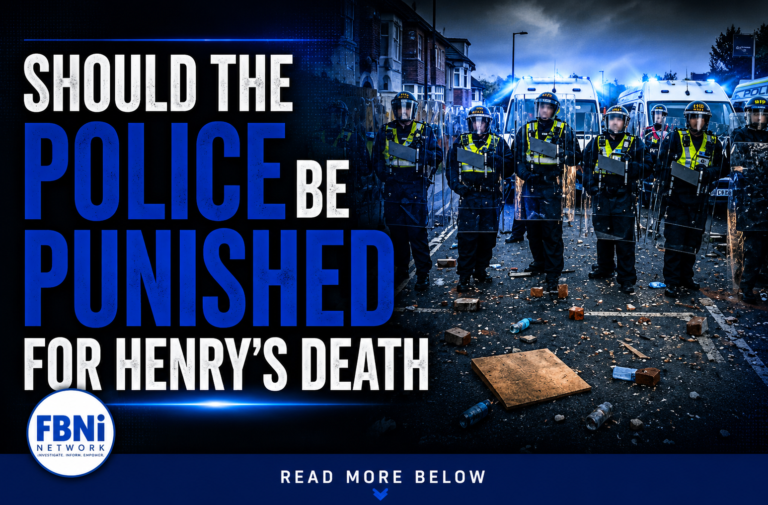
Fresh questions are being raised over the actions of police officers following the fatal stabbing of teenager Henry Nowak, with growing calls for an independent investigation into how the incident was handled.
The case has sparked widespread public concern after details emerged suggesting that Henry, who had suffered life-threatening injuries, was handcuffed by officers during the critical moments before his death. The circumstances surrounding that decision have since become the focus of intense scrutiny from members of the public, legal observers, and community leaders.
Henry, an 18-year-old student, suffered fatal stab wounds during a violent incident that shocked the nation. While emergency services responded to the scene, questions have continued to surface about the treatment he received from police officers in the immediate aftermath of the attack.
Reports indicate that despite suffering severe injuries and repeatedly communicating that he had been stabbed, Henry was restrained by officers who were attempting to establish the circumstances of the incident. Critics argue that greater priority should have been placed on medical intervention rather than investigative procedures.
The revelation has prompted demands for a transparent review into the decision-making process that took place during those crucial moments. Many have questioned whether established protocols were followed and whether the response was proportionate given the obvious severity of Henry’s condition.
Supporters of an independent inquiry argue that public confidence depends upon accountability and transparency whenever concerns arise regarding police conduct. They believe a thorough examination of the actions taken by responding officers is necessary to determine whether mistakes were made and to identify any lessons that could prevent similar controversies in the future.
Others have cautioned against rushing to conclusions before all available evidence has been reviewed. They note that officers attending violent incidents are often required to make rapid decisions in highly stressful and uncertain circumstances, balancing public safety, victim welfare, and the need to secure a scene.
Nevertheless, the case has reignited a broader debate about policing practices and the treatment of victims during emergency situations. Questions are being asked about officer training, risk assessments, and whether current procedures provide sufficient flexibility when dealing with individuals who are clearly in urgent need of medical assistance.
The tragedy has also had a profound impact on Henry’s family, who continue to seek answers regarding the events that unfolded in the final moments of his life. Their calls for clarity have been echoed by many members of the public who believe a full and independent review would help establish the facts and restore confidence in the investigative process.
As attention remains fixed on the case, pressure is growing for authorities to provide a detailed account of the decisions made that day. Whether a formal independent investigation is ultimately launched remains to be seen, but the controversy has already sparked an important national conversation about accountability, transparency, and the responsibilities of those entrusted with protecting the public.
The death of Henry Nowak continues to resonate across the country, and for many, the central question remains unanswered: should the actions of the responding officers now be subject to a full and independent investigation?